Dry Needling
Focuses on the interconnectedness of the body’s systems, particularly the fascia (connective tissue) and the nervous system, to address the root causes of pain and dysfunction. A holistic dry needling technique that integrates an understanding of biomechanics, neural pathways, and fascial connections to treat pain, muscle imbalances, and movement restrictions.
About Dry Needling
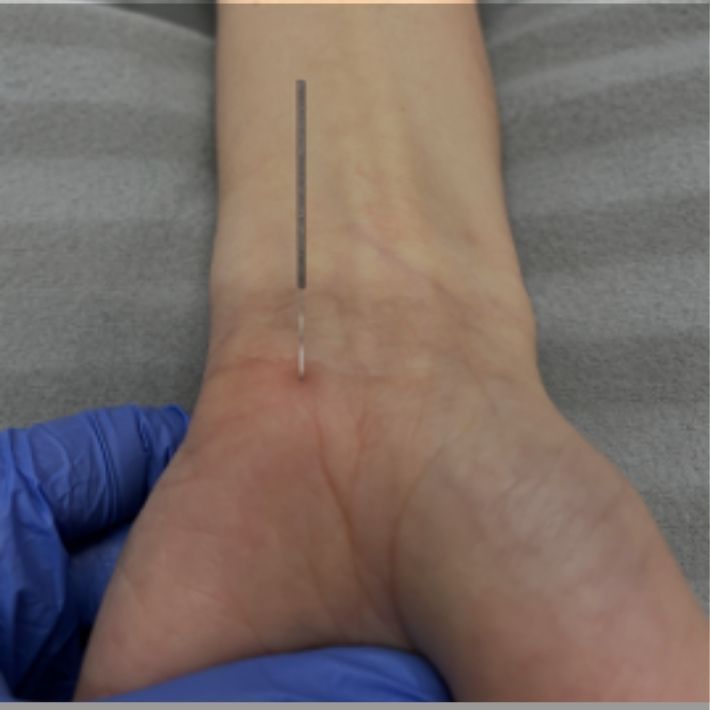
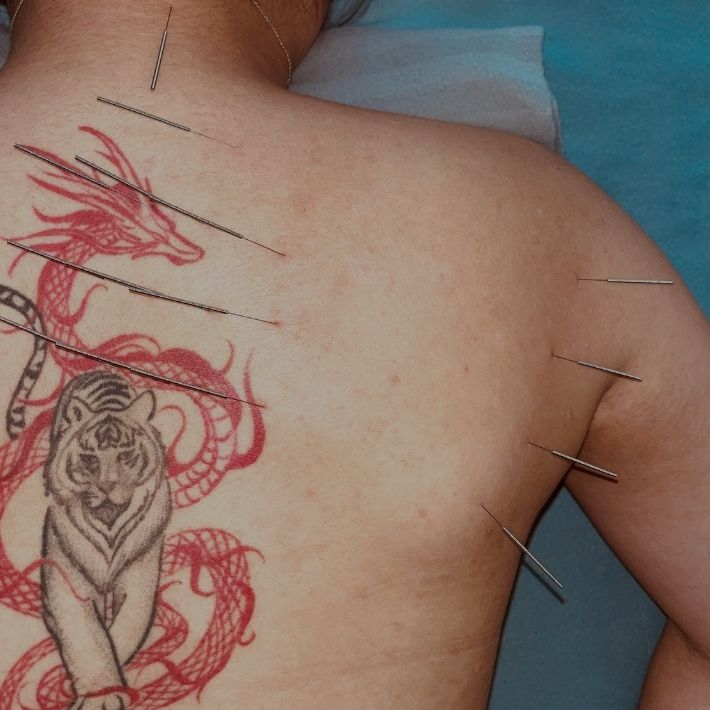
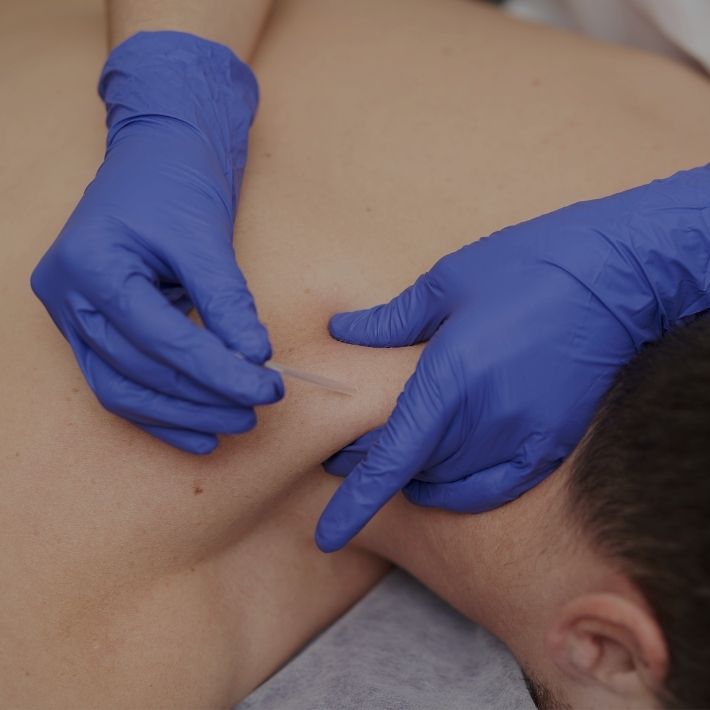
Dry Needling is a modern therapeutic technique that uses thin, sterile needles inserted into tight muscles and trigger points to relieve pain, reduce muscle tension, and improve movement. Unlike acupuncture, dry needling is based on Western medicine principles and focuses on treating musculoskeletal conditions.
Dry Needling
Duration: 55 mins
Focuses on the interconnectedness of the body’s systems, particularly the fascia (connective tissue) and the nervous system, to address the root causes of pain and dysfunction. A holistic dry needling technique that integrates an understanding of biomechanics, neural pathways, and fascial connections to treat pain, muscle imbalances, and movement restrictions.
This safe and effective treatment can have an amazing effect on pain management and therefore function.
Whole Body Approach
Instead of just focusing on painful areas, dry needling assesses how different muscles and joints interact, aiming to correct dysfunctional movement patterns.
Integration with Rehab and Therapy
Often combined with physical therapy , corrective exercises and manual therapy for better and long-term results.
Neurological Influence
Dry Needling not only relieves muscle tension but also retrains the nervous system to improve muscle activation and coordination.
How Painful is Dry Needling?
Patients may feel a mild, dull ache both during and up to 24 hours after treatment. Some discomfort might occur during the rapid twitch response, but it is brief and lasts only a few seconds.
It is common to experience mild to moderate soreness following dry needling treatment. To alleviate soreness, staying hydrated, stretching, keeping active, and applying heat to the affected muscles can help reduce the discomfort duration.
Possible side effects inclkudes mild soreness, and bruising in certain patients.
benefits
Pain Relief
Improved Range of Motion
Faster Recovery
Improved Posture
Improved Athletic Performance
Reduced Stress
Who Isn’t Suitable?
Blood Disorders
Pregnancy
Needle Phobia
Allergies To Metal
Compromised Immune System
Recent Surgery
Severe Chronic Disease